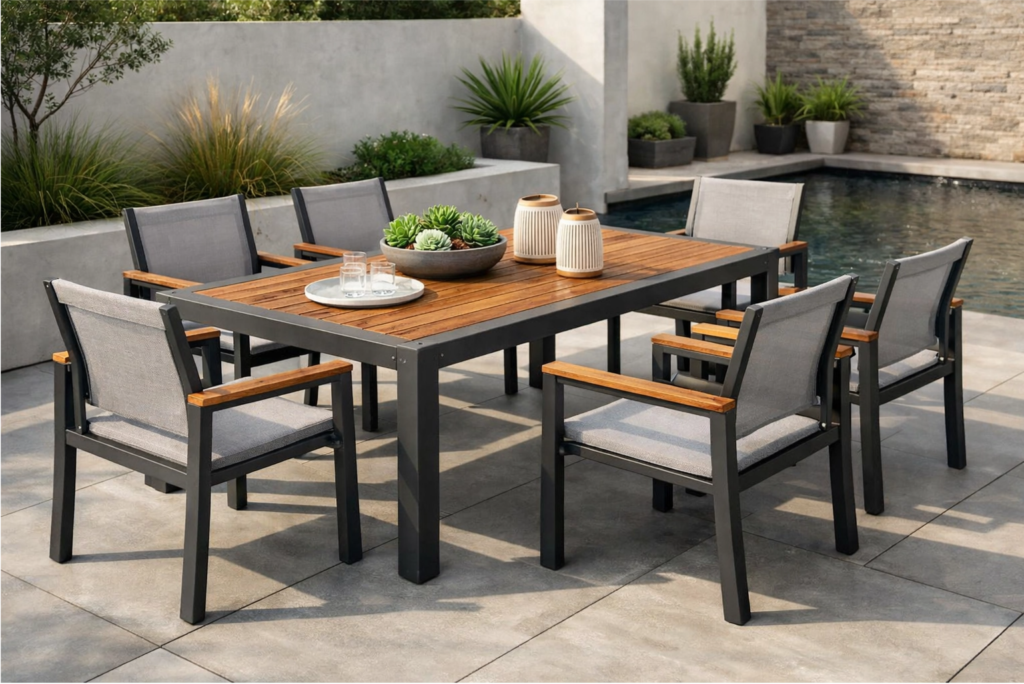
You bought a new patio set, and it looked perfect. But after one season of sun and rain, the finish is peeling and rust stains are appearing. It’s a frustrating and expensive disappointment.
The secret is to focus on commercial-grade construction and materials. Choose furniture with powder-coated aluminum frames, welded joints, and surfaces like High-Pressure Laminate (HPL). These are made to withstand constant use and exposure in any weather.
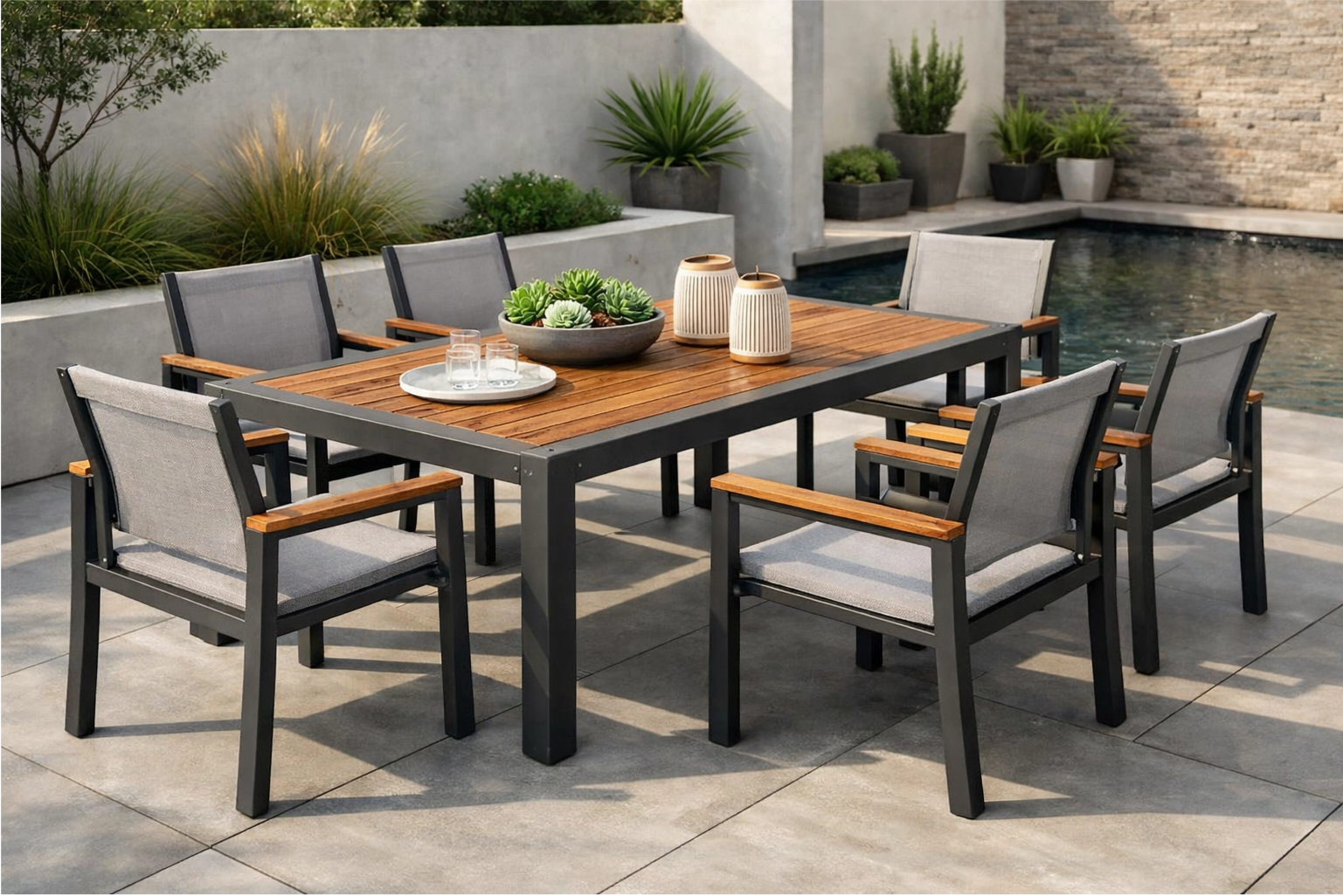
As a manufacturer for hotels and restaurants, I learned quickly that what works indoors will fail outdoors. My commercial clients like Mark Chen, a project buyer from Canada, can’t afford furniture that needs replacing every year. They need a return on their investment. That’s why we focus on durability first. It’s the only way to get furniture you’ll love for years, not just a few months.
What Materials Last the Longest Outdoors?
You’re at the store, surrounded by wood, metal, and plastic. You’re afraid of making the wrong choice and ending up with furniture that rots, rusts, or fades.
For frames, nothing beats powder-coated aluminum, 304 stainless steel, or high-quality teak. For tabletops, which endure the most abuse, High-Pressure Laminate (HPL) and sintered stone offer the best long-term performance with almost no maintenance required.
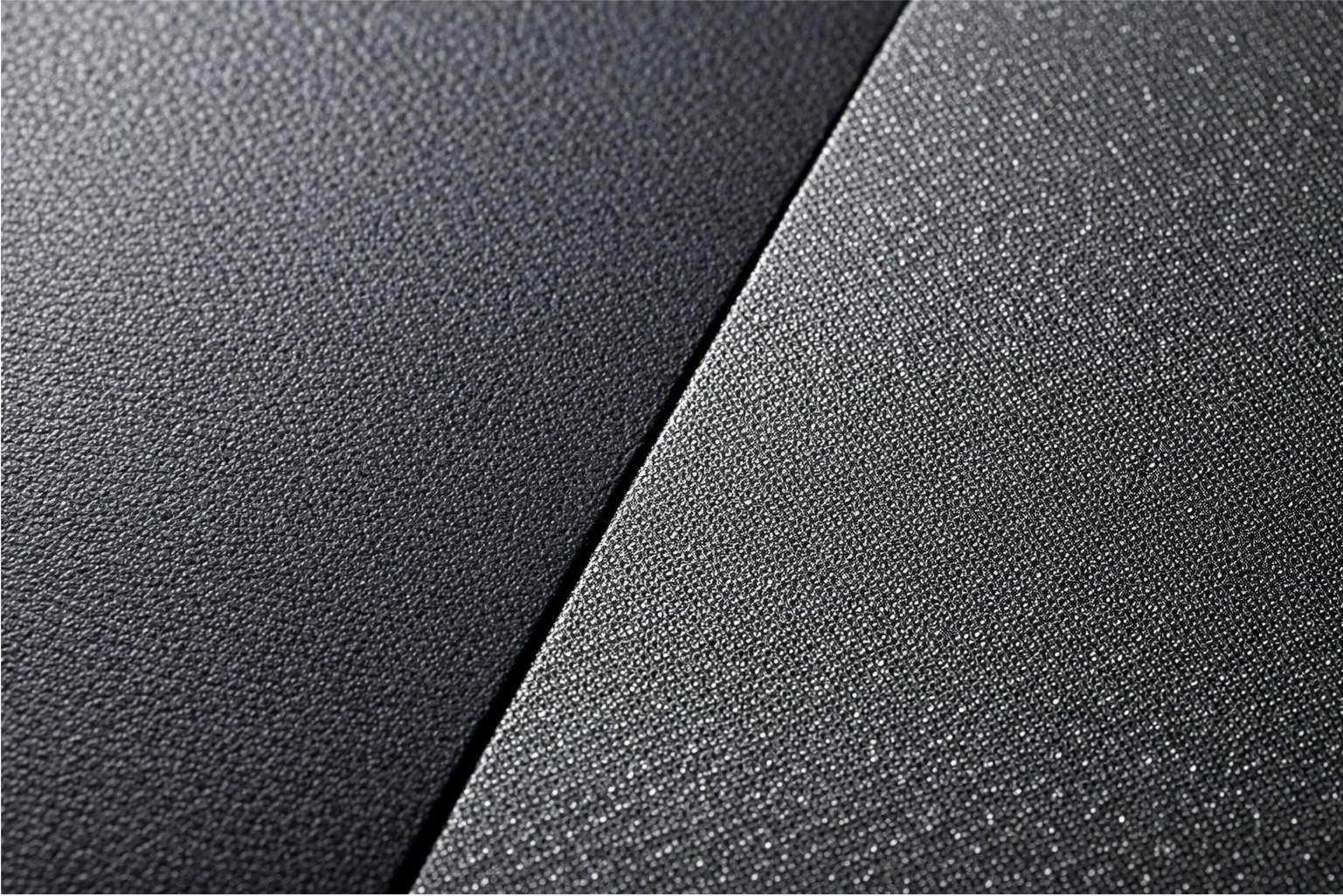
When I talk to experienced buyers, the conversation is always about materials. The right combination is what separates a one-season-wonder from a decade-long investment. We think about this as two separate systems: the frame and the surface.
The Frame: The Backbone of Your Furniture
The frame provides the structure, so it must be strong and immune to corrosion.
- Powder-Coated Aluminum: This is the industry standard for a reason. Aluminum is lightweight and naturally rustproof. The powder-coating process bakes on a thick, plastic-like finish that is far superior to spray paint. It resists chipping, fading, and scratching.
- 304 Stainless Steel: This is the next level up, especially for coastal areas where salt in the air is corrosive. It offers superior strength and rust resistance.
- Teak Wood: If you want wood, teak is the king. It is a dense wood with high natural oil content, making it highly resistant to water and rot.
The Surface: The Part That Takes the Hits
The tabletop or seat is where all the action happens.
- High-Pressure Laminate (HPL): I recommend HPL for most commercial projects. It’s a solid, non-porous composite material that is completely waterproof, highly resistant to scratches and stains, and won’t fade in the sun.
- Sintered Stone: This is a premium material made by fusing minerals under intense heat and pressure. The result is a surface that is virtually indestructible—it’s scratch-proof, heat-proof, and completely non-porous.
How Can I Choose Truly Durable Outdoor Furniture?
You’ve found a design you love, but you’re skeptical. How can you tell if it’s built to last or if it’s a cheaply made piece that will start wobbling after a few months?
Look past the cushions and focus on the construction. Truly durable furniture has fully welded joints instead of bolts, uses stainless steel for all its hardware, and has a weight that feels solid and substantial.
I can spot a well-made piece from ten feet away, and it has nothing to do with the design. It’s all about the small manufacturing choices that add up to a long lifespan. These are the things that many companies skip to save a few dollars.
1. Welds Over Bolts
This is the most critical checkpoint. Look at where the legs meet the frame. Are they held together with screws and bolts? If so, walk away. Those bolts will inevitably loosen over time from use, causing the chair or table to wobble. A welded joint, where the metal pieces are fused together, creates a single, solid part. This provides permanent strength and rigidity that simply cannot be matched by bolted furniture.
2. The Hardware Test
If a piece does have any necessary screws (for example, to attach a tabletop), check to see what they’re made of. Any hardware on outdoor furniture must be stainless steel. Regular steel or zinc-plated screws will rust quickly, leaving ugly brown streaks on your furniture and patio. Worse, they can corrode and fail, compromising the structure.
3. The Weight Test
Don’t be afraid to pick up a chair. Does it feel surprisingly light and flimsy? Or does it have some heft to it? Cheaper furniture uses thinner-gauge aluminum or steel to cut costs. A heavier frame not only indicates thicker, stronger materials, but it also means your furniture is less likely to be blown over in a storm.
Is Outdoor Garden Furniture Really "Weatherproof"?
You see the term "weatherproof" on tags and in descriptions, but it doesn’t match your experience. It feels like a marketing buzzword designed to make you spend money on a false promise.
Almost no outdoor furniture is truly "weatherproof." That term implies it’s completely immune to any weather, forever. Most quality furniture is "weather-resistant," meaning it’s built from materials that can withstand sun and rain but still benefit from basic care.
In the commercial furniture industry, we are very careful with our words. "Weatherproof" is a claim that is very hard to back up. A truly weatherproof material, like a solid block of plastic, could be left at the bottom of a lake for a year and be perfectly fine. It’s incredibly durable, but it may not have the look you want.
What you should be looking for is furniture that is highly weather-resistant. This means it is designed as a system where every component is chosen to fight back against the elements. For example, a chair with a powder-coated aluminum frame won’t rust. If it has sling fabric, that fabric should be solution-dyed, meaning the color goes all the way through the fibers so it can’t fade. The thread used to stitch it should be a marine-grade thread that won’t rot. This is a weather-resistant system. It’s engineered to last for many years in an outdoor environment with just a little bit of common-sense care. The key is choosing the most resistant materials from the start.
How Can I Make My Outdoor Furniture Last Longer?
You’ve finally invested in a quality outdoor set. Now, you want to do everything you can to protect your investment and keep it looking great for as long as possible.
The two most effective things you can do are simple. Use high-quality, breathable furniture covers whenever the set is not in use, and perform simple, regular cleanings to prevent grime from building up.
Making your furniture last is more about consistency than effort. I tell all my clients that a simple defensive strategy is the best way to protect their investment from the two biggest enemies: UV rays and grime.
Defense #1: The Shield (Covers)
A good cover is the most important tool you can own. It provides a physical barrier that stops UV radiation from fading and degrading the finish and fabrics. It also keeps rain, dirt, bird droppings, and pollen off the surfaces. The most critical feature is breathability. Never use a simple plastic tarp. Tarps trap moisture underneath, creating a humid greenhouse effect that will promote mold and mildew growth. A proper furniture cover is made from fabric that is waterproof but also allows water vapor to escape, keeping your furniture clean and dry.
Defense #2: The Upkeep (Cleaning)
This is the easy part. Once a month, wipe down your furniture with a soft cloth and a bucket of water with a few drops of mild dish soap. This removes the fine layer of dust and dirt that settles on everything. This grime isn’t just ugly; it can hold moisture against the finish and contain acidic compounds from rain that can slowly eat away at the surface. After washing, always rinse thoroughly with clean water to remove any soap residue.
Conclusion
To get outdoor furniture that lasts, choose commercial-grade materials like welded aluminum and HPL. Protect your investment with breathable covers and simple cleaning, and you can enjoy your patio for years.