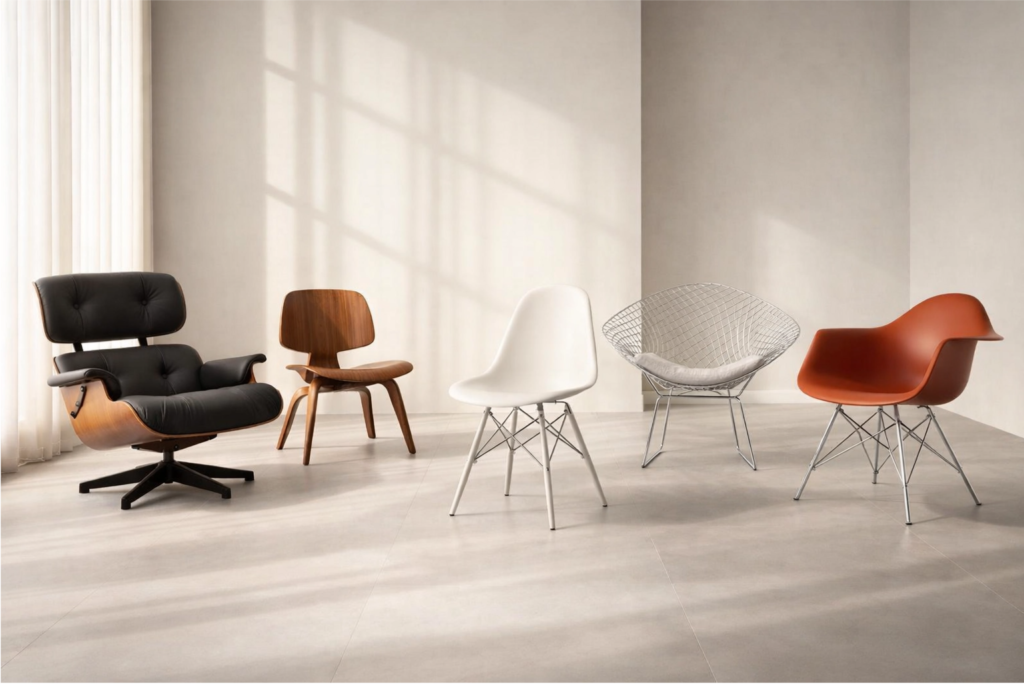
You see Mid-Century Modern (MCM) chairs everywhere and love their look, but you don’t know what truly defines them. You wonder if they are a fleeting trend or a smart, long-lasting investment for your dining room.
Mid-Century Modern dining chairs are a timeless choice because they are built on the principles of simplicity, functionality, and honest materials. Their clean lines and ergonomic design create a look that is both classic and perpetually modern.
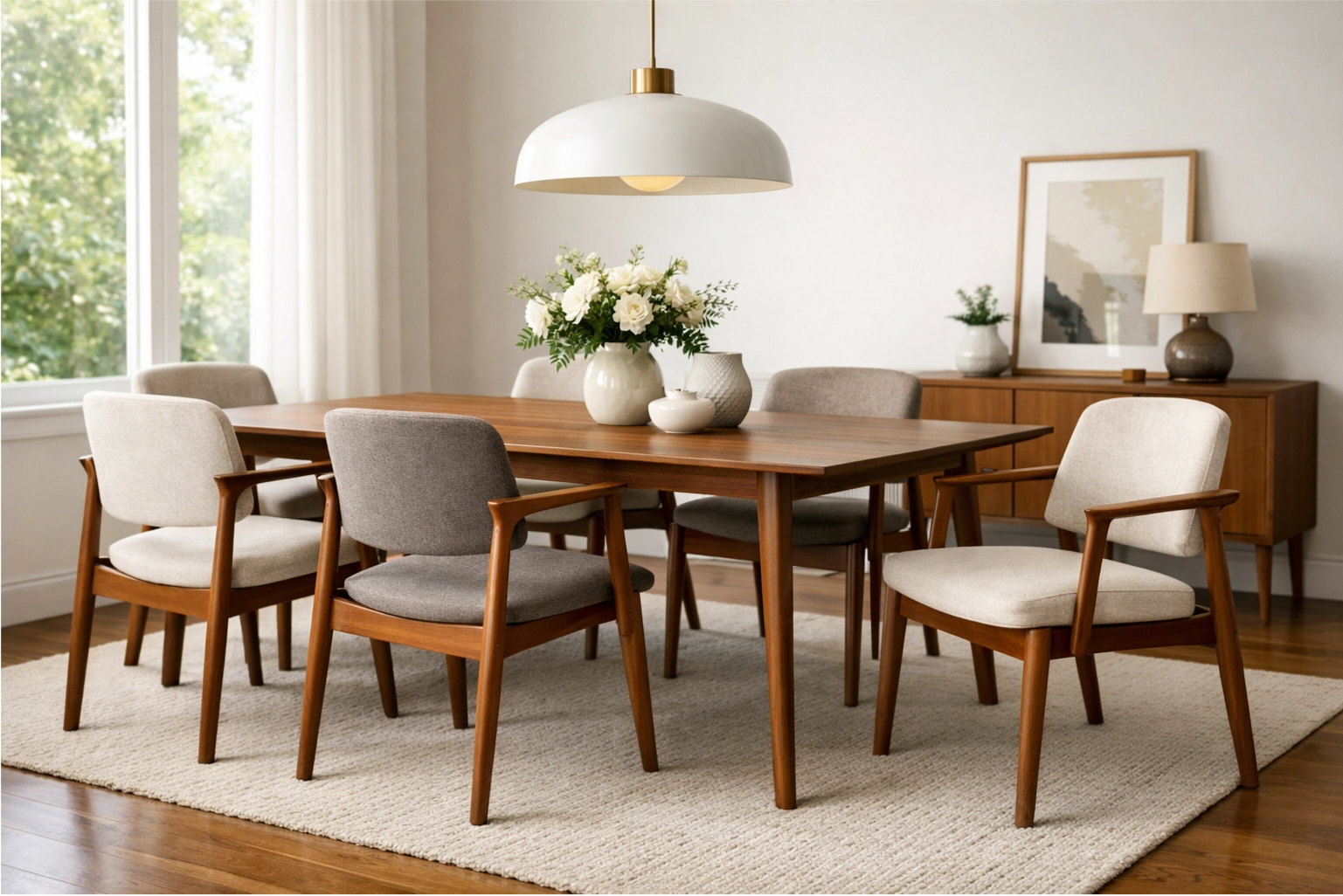
As the founder of a furniture factory, I work with demanding clients like Mark Chen, a project buyer for hotel chains in Canada. Mark needs furniture that is not only stylish but also incredibly durable to handle thousands of guests. He doesn’t care about trends; he cares about performance and value. This has taught me to see beyond the surface of a chair and to focus on the quality of its design and construction, which is where MCM truly shines.
What Exactly Is Mid-Century Modern Style Furniture?
You hear the term "Mid-Century Modern" all the time, but it’s used to describe so many different things. It can be confusing to pinpoint what this famous and popular design style actually is.
Mid-Century Modern (MCM) is a design movement from the mid-1940s to the late 1960s. It is defined by its clean lines, minimalist aesthetic, gentle organic curves, and the core belief that a design’s function is more important than its form.
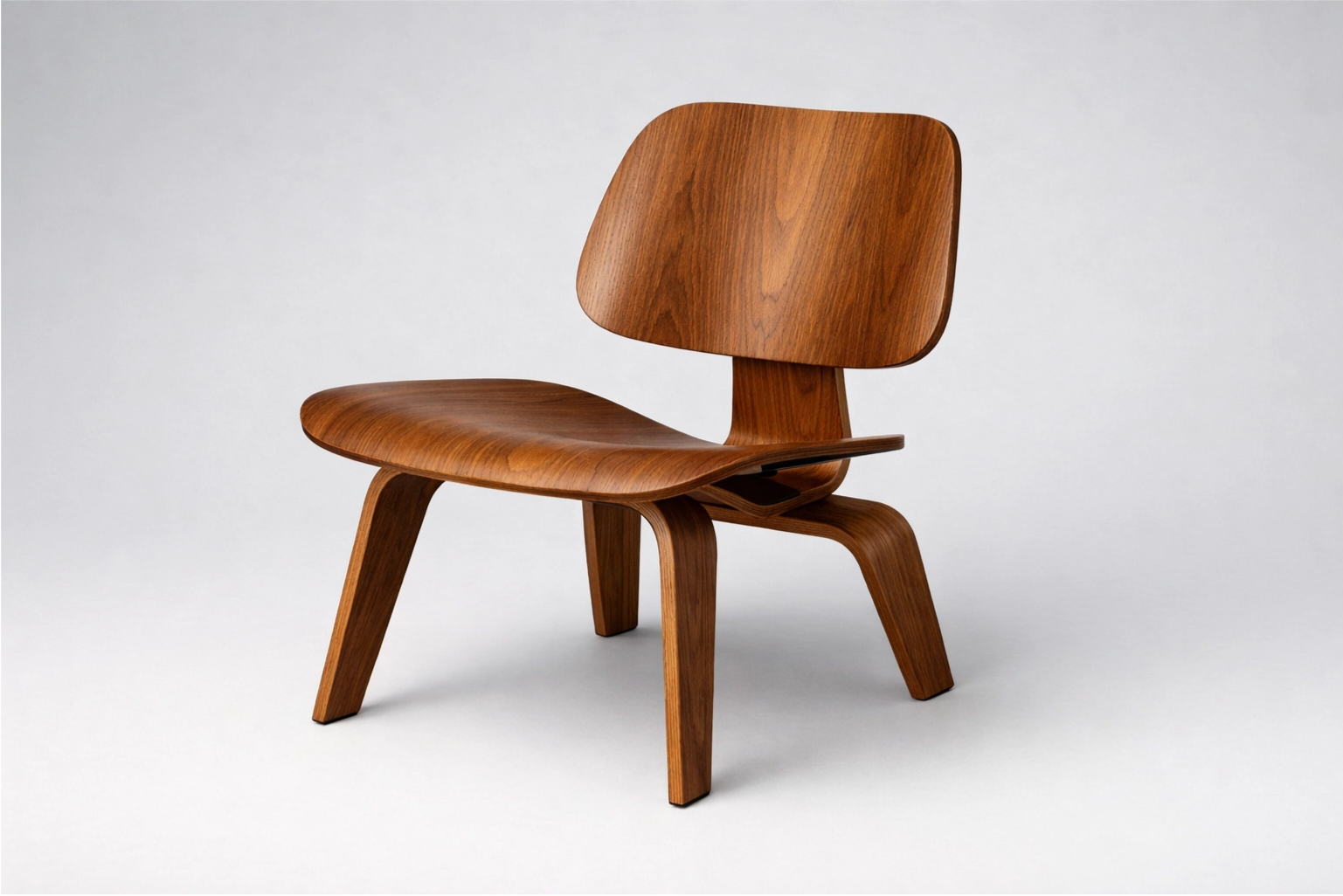
The MCM movement was born out of the years after World War II. Families were moving into smaller, more modern homes, and they needed furniture that was practical, beautiful, and efficient. Designers abandoned the heavy, ornate styles of the past and focused on creating pieces that were both functional and sculptural. When my team designs an MCM-inspired piece, we focus on these core principles. The goal is to create something that looks light and uncluttered but is also strong and comfortable. It’s a design philosophy that strips away everything unnecessary, leaving only a pure and honest form. This simplicity is what makes it so easy to fit into today’s homes.
Core Principles of MCM Design
| Principle | Description |
|---|---|
| Simplicity | Designs are uncluttered, with clean, simple lines and geometric shapes. No extra decoration. |
| Functionality | The way an item works is the most important part of its design. It must be practical for daily use. |
| Organic Forms | Many designs use soft, curved shapes inspired by nature, giving them a sculptural feel. |
| Honest Materials | The materials used, especially wood, are celebrated for their natural beauty and texture. |
Why Is Mid-Century Modern Furniture So Popular Again?
It seems like you can’t walk into a stylish cafe, hotel, or home without seeing Mid-Century Modern furniture. You wonder why this design style from over 70 years ago is making such a huge comeback right now.
Its popularity comes from its timeless, minimalist look that fits perfectly with today’s smaller, open-plan living spaces. The designs are simple, highly functional, and bring a sense of warm, understated elegance to modern interiors.
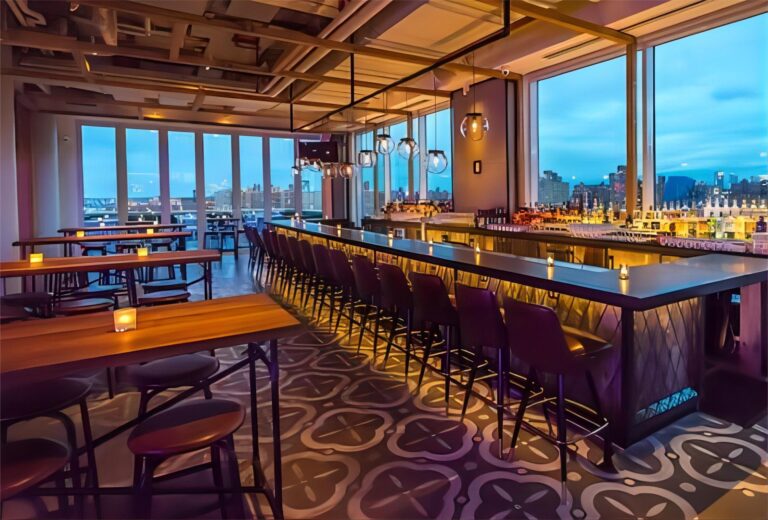
The comeback of MCM isn’t just a random trend; it’s popular because it solves modern problems. Firstly, its clean and uncluttered design is a perfect match for the minimalist aesthetic people want today. In my business, I see restaurant owners choosing it because it makes their spaces feel open, stylish, and inviting without being too formal. Secondly, there’s a strong element of nostalgia. For many, the style represents a time of optimism, quality craftsmanship, and forward-thinking design. Popular TV shows like "Mad Men" definitely helped reintroduce its sophisticated "cool factor" to a new generation. It’s a rare style that was so ahead of its time that it still feels completely fresh and relevant today. It just works.
What Truly Defines a Mid-Century Modern Dining Chair?
You see many different chairs labeled as "Mid-Century Modern." You want to know the specific, defining characteristics so you can spot an authentic design and understand what makes it special.
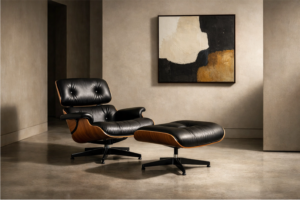
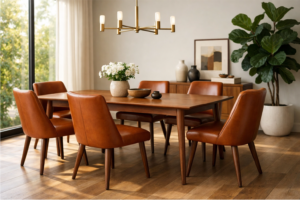
A true Mid-Century Modern dining chair is defined by its simple silhouette, iconic tapered and angled legs, gentle ergonomic curves in the back and seat, and an honest expression of its materials, especially wood.
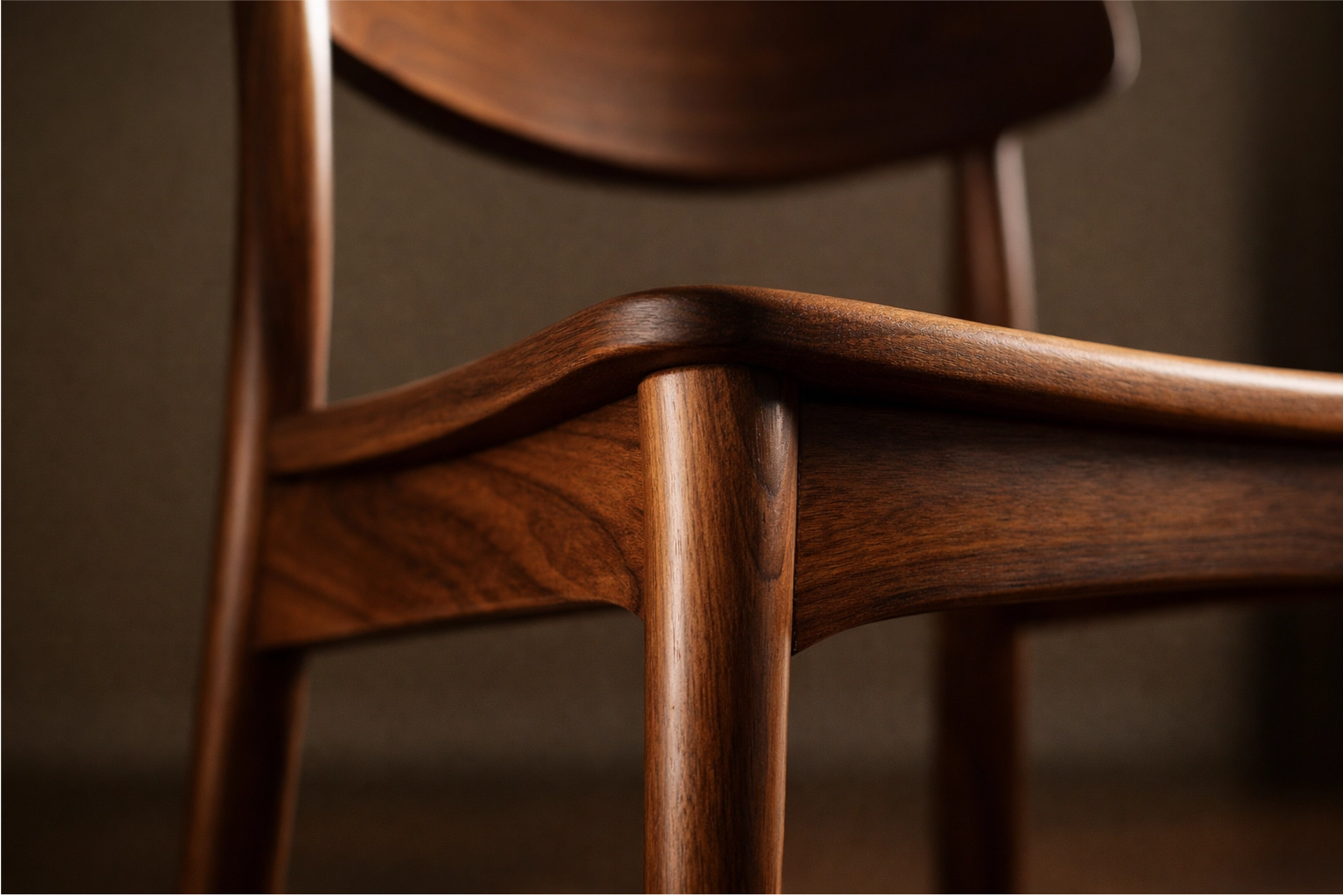
When we manufacture an MCM dining chair, our focus is on getting the key details right. These chairs have a distinct anatomy that sets them apart from other styles. They were designed to look lightweight and graceful, almost like they are floating.
The Anatomy of an MCM Chair
- Legs: This is the most recognizable feature. The legs are almost always slender and tapered, meaning they get thinner toward the floor. They are often splayed, or angled outwards, which adds both stability and a dynamic, sculptural look.
- The Seat: The seat is typically simple and clean. It can be a solid piece of carved wood, a molded piece of plywood, or lightly upholstered for comfort. It is designed to be ergonomic.
- The Back: The backrest is usually low-profile and uncluttered. Many famous designs use a single, curved piece of molded plywood that supports your back perfectly. It avoids any heavy ornamentation.
- Overall Form: The chair has an airy, open feel. There are no unnecessary parts. Every element serves a purpose, contributing to the chair’s strength, comfort, and simple beauty.
What Materials Are Commonly Used in MCM Dining Chairs?
You notice that Mid-Century Modern chairs have a distinct look and feel. The materials seem different from traditional furniture, and you want to know what they are typically made from.
The most common material is wood, especially teak, walnut, and oak, prized for their warm, natural grain. This is often combined with new and innovative materials for the time, like molded plywood, plastic, metal, and simple upholstery.
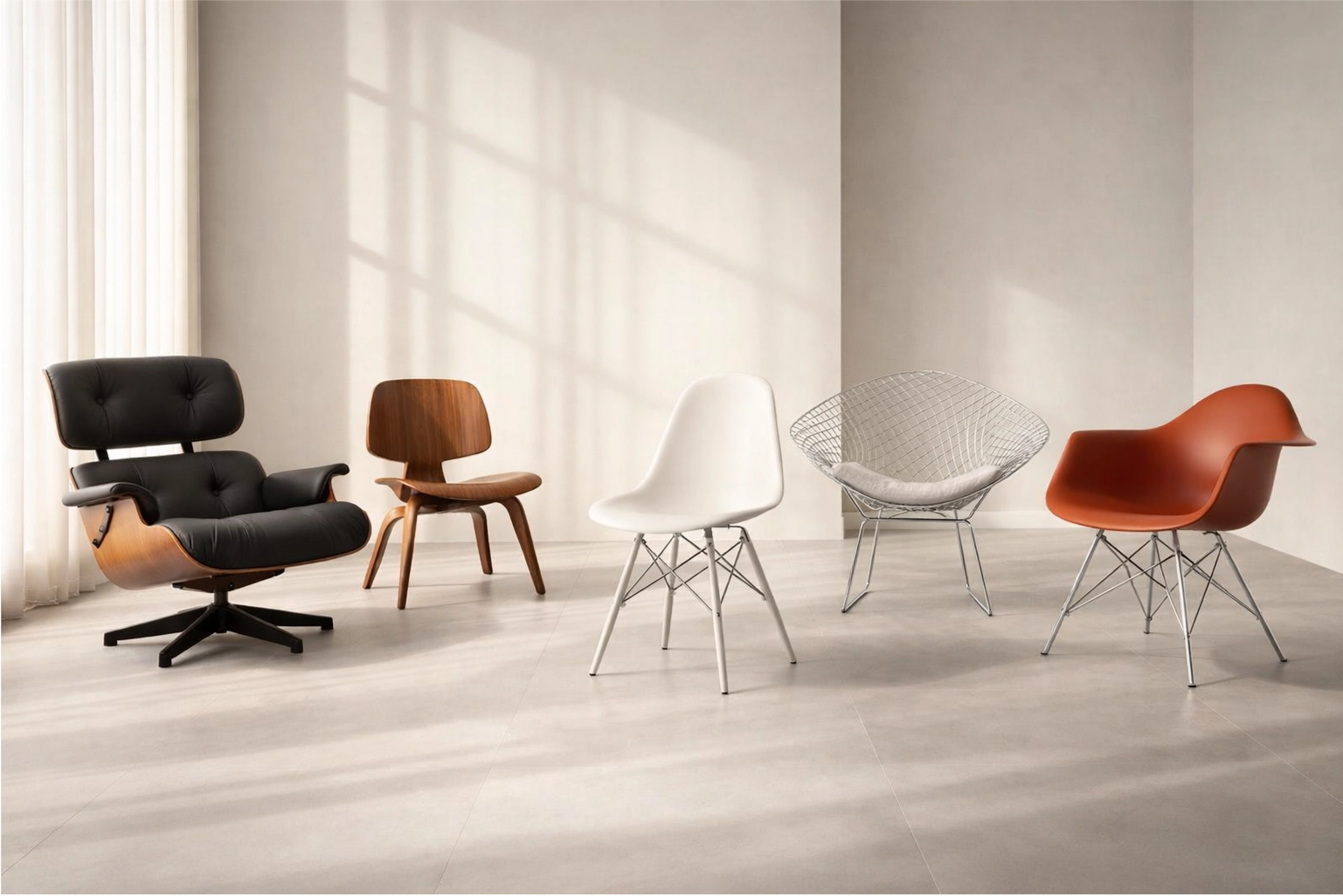
MCM designers were excited by a mix of old and new. They loved the natural beauty and warmth of wood, but they also embraced the possibilities offered by new industrial technologies. This combination is what gives MCM furniture its unique character.
A Mix of Old and New
- Wood: This is the heart of most MCM designs. Designers favored woods with a rich, beautiful grain, like walnut and teak. They let the natural beauty of the wood be the main decorative feature.
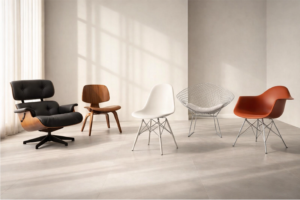
- Molded Plywood: This was a revolutionary technology that designers like Charles and Ray Eames perfected. By layering and bending thin sheets of wood, they could create strong, light, and comfortable curved shapes that were impossible to make with solid wood.
- Plastic and Fiberglass: Designers also experimented with new materials like molded plastic and fiberglass to create single-piece, sculptural chair shells that were durable and could be produced in bright, optimistic colors.
- Metal: Simple metal legs, often in chrome or black powder-coat, were used to create a lightweight, industrial contrast to the warm wood elements.
How Many Years Should You Expect Good Furniture to Last?
You are trying to decide whether to spend more on a quality piece of furniture. You wonder what a reasonable lifespan is and how long a well-made dining chair should be expected to last with normal use.
You should expect a high-quality, solid wood dining chair to last for at least 15 to 20 years, if not a lifetime. Cheaper, mass-produced furniture made from materials like MDF is often only designed to last 1 to 5 years.
In my business, we build furniture for commercial spaces, so it has to be incredibly durable. The principles of longevity are the same for home furniture. The lifespan of a chair depends entirely on two things: the materials it’s made from and how it’s constructed. A chair made from solid oak with strong, interlocking mortise-and-tenon joints has a structure that can withstand decades of daily use. The wood might get some scratches, but the frame will remain solid. On the other hand, a chair made from particleboard (MDF) held together with a few screws has a built-in expiration date. The screws will loosen, the weak material will chip and warp, and it will quickly become wobbly and unsafe. Investing in quality from the start is almost always the more economical and sustainable choice in the long run.
What Do People Look For the Most in Furniture?
When people are shopping for furniture, you wonder what their top priorities are. Is it style, comfort, price, or something else that is most important to the average buyer?
While style is what first catches their eye, the most important factors for most people are durability, comfort, and overall value. They are looking for a piece that will not only look good but also last long and be enjoyable to use.
My customer Mark Chen is a perfect example of a professional buyer, and his priorities reflect what most people ultimately want. He needs to furnish a hotel, so a chair must check three boxes:
- Durability: First and foremost, the furniture must be strong. A broken chair is a safety risk and a waste of money. Consumers feel the same way. No one wants to buy something that will fall apart. This is why solid wood construction and strong joinery are so important.
- Function & Comfort: The piece has to do its job well. A dining chair must be comfortable to sit in for the duration of a meal. A wobbly table is useless. The furniture has to be practical for everyday life.
- Value: This isn’t just about the lowest price. Value is a combination of price and quality. A smart buyer knows that a slightly more expensive chair that lasts for 20 years is a much better value than a cheap chair that needs to be replaced every three years.
Style is important, of course, but it’s the foundation of quality and comfort that leads to long-term satisfaction.
Why Don’t More People Like Antique Furniture?
With so much focus on modern styles, you wonder why antique furniture isn’t more popular. Antiques are often well-made from solid wood, so why do many people avoid them for their homes?
Many people avoid antiques because the ornate, heavy styles don’t fit the smaller, more casual homes of today. Antiques can also be seen as delicate, require special care, and are often more expensive and harder to find.
There are a few key reasons why styles like Mid-Century Modern have overtaken antiques in popularity. The biggest reason is scale and style. Antique furniture, like Victorian pieces, was designed for large, formal rooms with high ceilings. It’s often dark, heavy, and very decorative. This style can easily overwhelm a modern, open-plan space and feel out of place. Another factor is lifestyle. We live more casually now. An expensive, 150-year-old table might feel too precious for a family with young children. People worry about damaging it and the maintenance it might require. In contrast, MCM furniture was designed for modern living. It’s lighter, more versatile, and has a simplicity that feels comfortable and relaxed. It gives you a sense of history and quality without the formality and fragility of true antiques.
Conclusion
Mid-Century Modern dining chairs offer a perfect blend of timeless style and practical design. They are a wise investment in quality, comfort, and a look that will continue to feel fresh for generations.